HISTORY
Rivets for torn pockets
Reno tailor Jacob Davis riveted pocket corners after a customer kept tearing them. With Levi Strauss he got US patent 139,121 on 20 May 1873.
The history doodlejeans
THE STORY IN YOUR JEANS
A pair of jeans carries a lot of history.
Check your pair
PAT. 1873copper rivets
Copper rivets from an 1873 patent, a dye that only turns blue when it meets the air, and around 7,500 litres of water. The simplest way to lighten that load is to keep them on longer.
Updated
THE SHORT ANSWER
A tailor's fix, a chemistry trick and a water bill.
Each one explains something about your jeans.
HISTORY
Reno tailor Jacob Davis riveted pocket corners after a customer kept tearing them. With Levi Strauss he got US patent 139,121 on 20 May 1873.
The historyCOLOUR
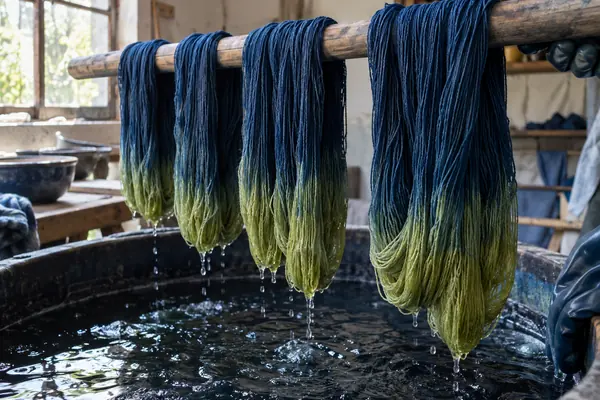
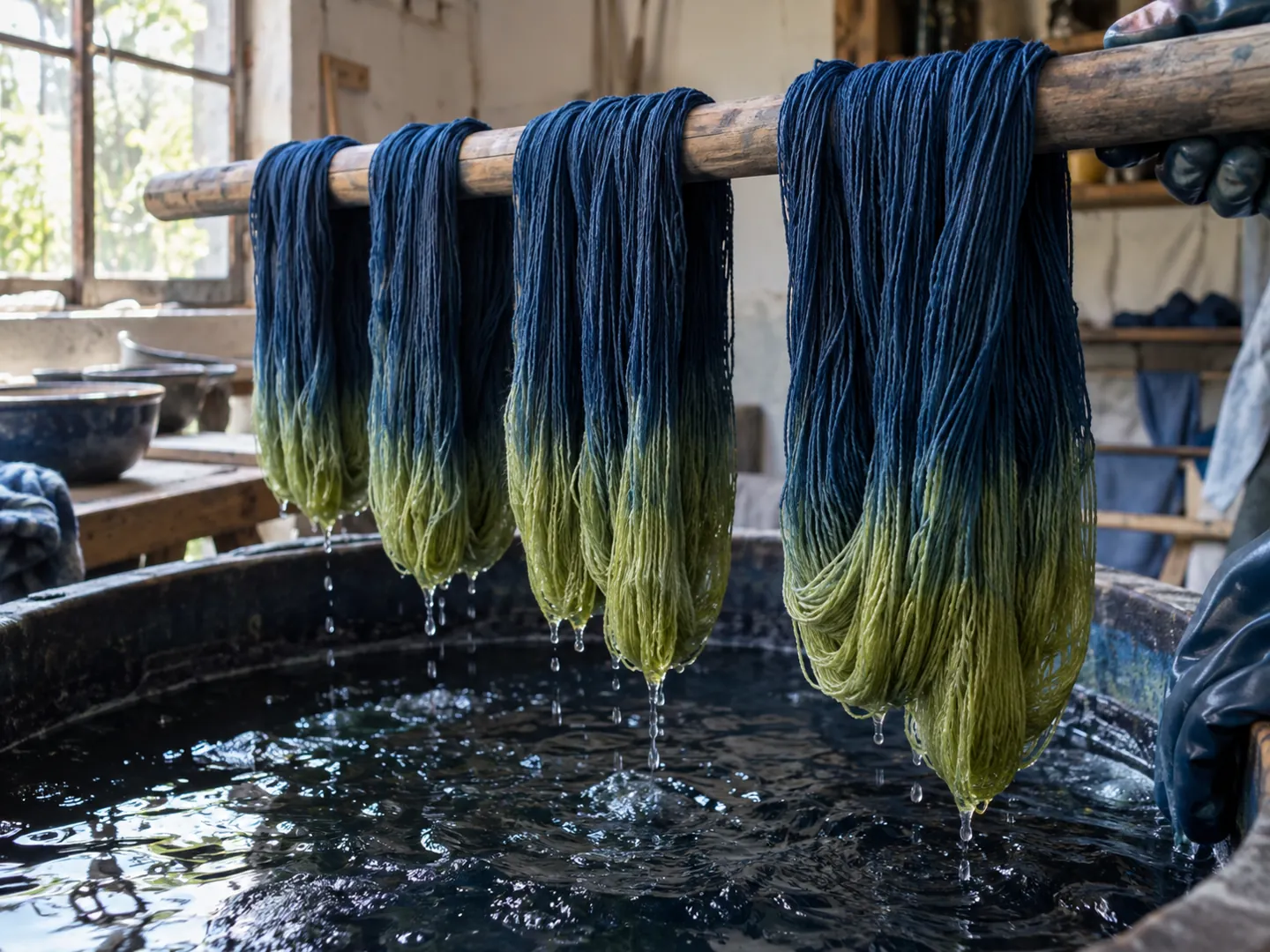
Indigo does not dissolve in water, so it is changed into a soluble white indigo for dyeing. Oxygen in the air turns it blue again on the fibre.
See the numbersFOOTPRINT
WRAP found that just three more months of wear per item cuts the carbon, water and waste footprints of clothes by 5 to 10% each.
How to do itA QUICK WARDROBE CHECK
Pick the one that sounds like your jeans. The bar shows how much of their footprint is sitting idle, and what the research suggests doing about it.
Based on WRAP's Valuing our clothes report and UN figures on the water in a pair of jeans. General information only.
TWO NUMBERS WORTH KNOWING
One figure on what a pair takes to make,
one on what a longer life saves.
≈ 7,500 litres
Water that goes into one pair of jeans
The UN says around 7,500 litres of water goes into one pair of jeans, about what the average person drinks over seven years. It says fashion produces 20% of global wastewater.
WATER · UN NEWS
5–10% each
Footprint cut by 3 more months of wear
WRAP's UK study found extending the active life of clothes by three months per item cuts the carbon, water and waste footprints by 5 to 10% each.
LONGER LIFE · WRAP
The UN also notes that people buy 60% more clothing items than 15 years earlier and keep each one about half as long, citing a 2019 McKinsey report.
FOUR HABITS TO TRY
The water and dye are spent before you buy. What you control is how long a pair stays in use, which is exactly what WRAP measured.
Three more months of use per item cuts carbon, water and waste footprints by 5 to 10% each, WRAP found.
Around 30% of clothing in the average UK wardrobe has not been worn for at least a year. Bring a pair back into rotation.
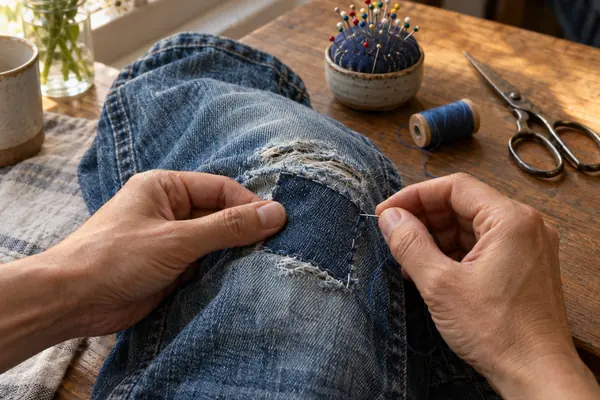
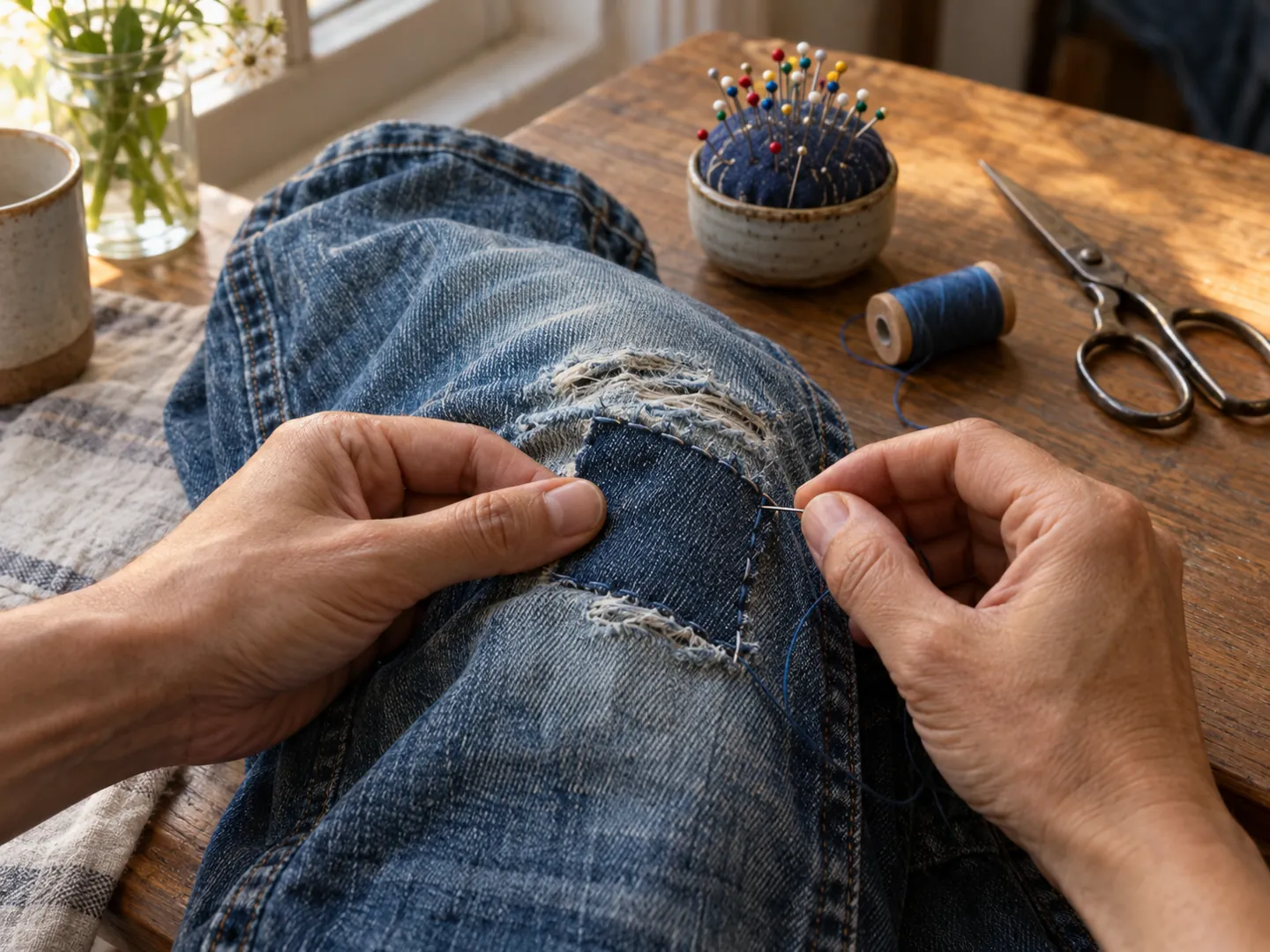
Pocket corners and the fly were the weak points the 1873 rivets reinforced. Patch or stitch them before replacing the pair.
Not fitting is the most common reason clothes go unworn. Giving a pair a second owner keeps it in active use.
FROM WORK WEAR TO JEANS
The Smithsonian holds a pair of brown cotton duck waist overalls made under the 1873 patent, with copper rivets at the pocket corners and the base of the fly stamped with the patent date.
The patent expired in 1890. Duck canvas gave way to denim, dyed with indigo, a blue used since prehistoric times. By 1960 these riveted work trousers were commonly called jeans.
Questions
To stop pockets tearing. The Smithsonian says Reno tailor Jacob Davis added copper rivets at the pocket corners after a customer complained of torn pockets, and patented the idea with Levi Strauss in May 1873.
Indigo is insoluble in water. The University of Bristol explains it is first reduced to a soluble form called leucoindigo, or white indigo, which turns blue again when oxygen in the air reaches it.
Originally from plants such as those of the Indigofera genus. Adolf von Baeyer published its chemical structure in 1883 and won the 1905 Nobel Prize, and synthetic methods followed.
The UN puts it at around 7,500 litres, roughly the amount the average person drinks over seven years.
Keep them in use for longer. WRAP found that three extra months of active use per item cuts carbon, water and waste footprints by 5 to 10% each.
ABOUT THIS NAME
doodlejeans.com is part of the DoodleSale portfolio. It isn't in an auction right now, but you can ask about leasing it.